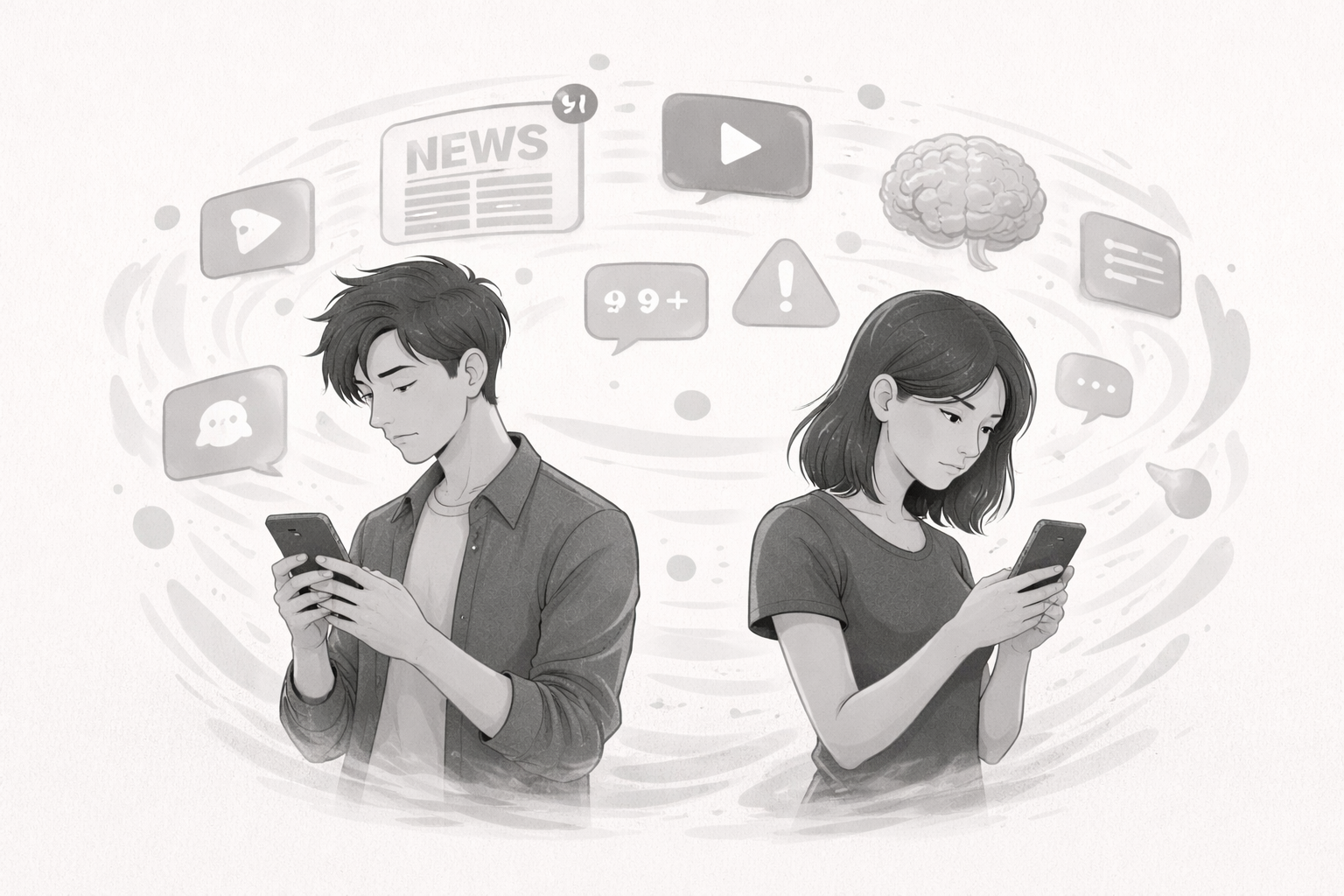
Today, the world is heavily influenced by social media platforms such as TikTok, Instagram, Snapchat, Facebook, YouTube, X, Reddit, Threads, and Twitch. A significant percentage of users are teenagers and young adults, and even children under the age of 18 actively use these platforms. Recently, the Australian government decided to ban social media access for users under 16 years of age.
In a digital world ruled by screens, young minds scroll endlessly, while nations question where boundaries should truly exist.
When the Ban Started
On 10 December 2025, marked as Commencement Day, the Australian government implemented the world’s first Social Media Minimum Age (SMMA) law. The decision was finalized during a midnight session, officially bringing the regulation into effect. The bill, passed on 28 November 2025, became active within just 12 days.
From midnight to morning, Australia reshaped digital childhood in just twelve decisive days.
Name of the Law
The legislation is officially called the Online Safety Amendment (Social Media Minimum Age) Act 2024. It amends the Online Safety Act 2021 to introduce a minimum age requirement for social media account holders.
Who Must Follow the Rule
All social media companies must comply with the SMMA. Full responsibility lies with the companies, not users. Companies may face fines of up to AUD 49.5 million for non-compliance.
Users under 16 may view public content but cannot create accounts. Platforms must use age-verification methods such as facial estimation, third-party services, and optional government ID checks.
Following this law, the United Kingdom, France, and Spain are considering similar regulations. Privacy concerns and VPN usage remain major points of debate.
With one decisive step, the world began redefining how young minds connect and grow.
Main Purpose of the Ban
The SMMA law aims to protect children’s mental health, safety, and overall development in the digital world.
Core Reasons
Protect Mental Health — Reduce anxiety and emotional stress.
Prevent Harmful Exposure — Limit access to bullying and dangerous content.
Reduce Digital Addiction — Control endless scrolling and notifications.
Support Healthy Development — Improve focus on education and family life.
Improve Online Safety — Protect against scams and data misuse.
Hold Companies Accountable — Make platforms responsible.
What Under-16s Are Not Allowed to Do
Users under 16 cannot create or maintain social media accounts. Existing accounts will be removed. Parental controls cannot be used to bypass the restriction.
Allowed Applications
Messaging: WhatsApp, Messaging Kids
Education: Google Classroom, Microsoft Teams, School Platforms
Gaming: Roblox, Minecraft, Fortnite (with controls)
Kids Platforms: YouTube Kids, Child-Safe Apps
Without accounts, children may view limited content but cannot post, like, or comment.
Public Reaction and Global Impact
The ban received strong support from parents and safety groups. Critics raised concerns about privacy and data collection. Many believe teenagers may bypass restrictions using VPNs.
Countries such as Spain, Denmark, and the UK are now considering similar laws. India and the United States continue debating age-based regulations.
Conclusion
Australia’s under-16 social media ban has positioned the country as a global leader in child online protection. While challenges remain, the policy has reshaped how governments approach youth digital safety.